Temporary Exhibitions
When is hope born? An incipient form appears around the age of 2–3, but conscious hope, as a reflective process, develops later. In preadolescence, it acquires a moral and abstract dimension, while in adulthood, it becomes an existential exercise. Hope nevertheless remains a paradoxical concept, situated at the intersection between a vital resource and a dangerous illusion, between theological virtue and ontological structure, extending to transformative political force. Beyond differences in perspective, hope is never neutral: it shapes our relationship with the present and negotiates our relationship with the future. In a society marked by collective fragility, hope functions as a form of resistance in the face of uncertainty and death, an exercise in restoring meaning, even when it seems suspended.
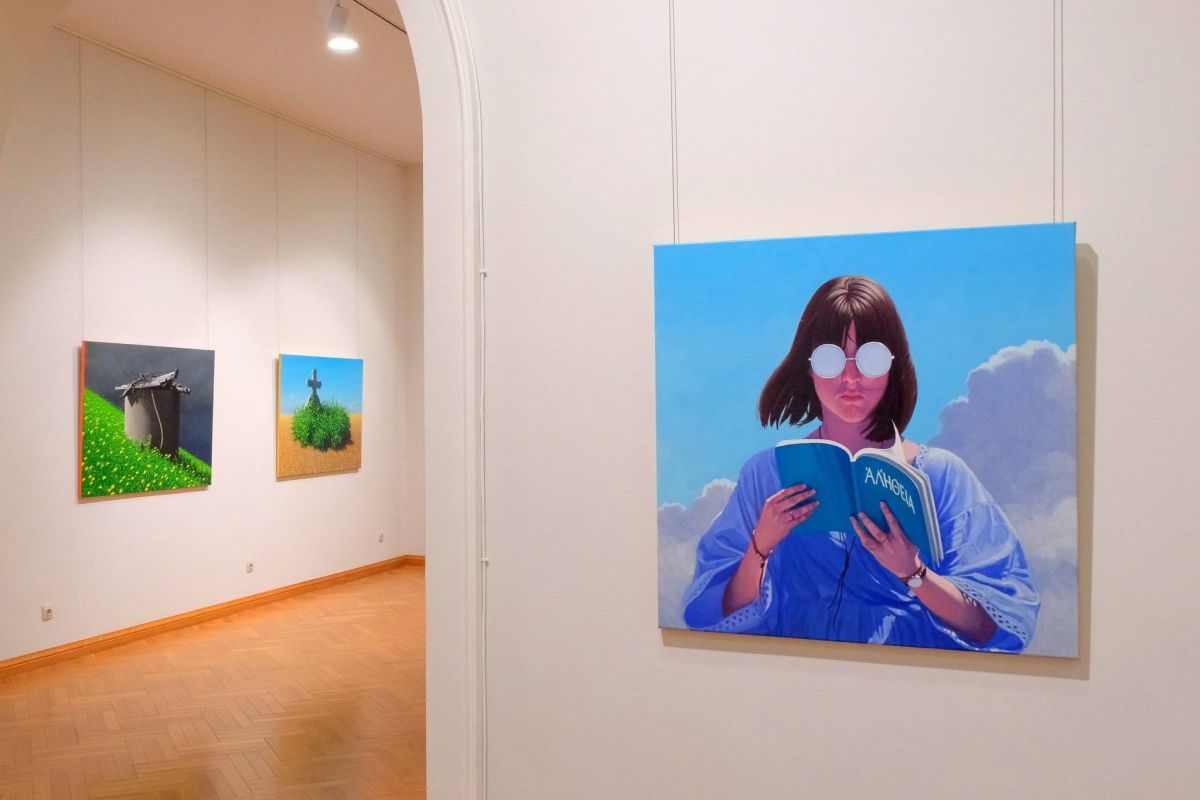
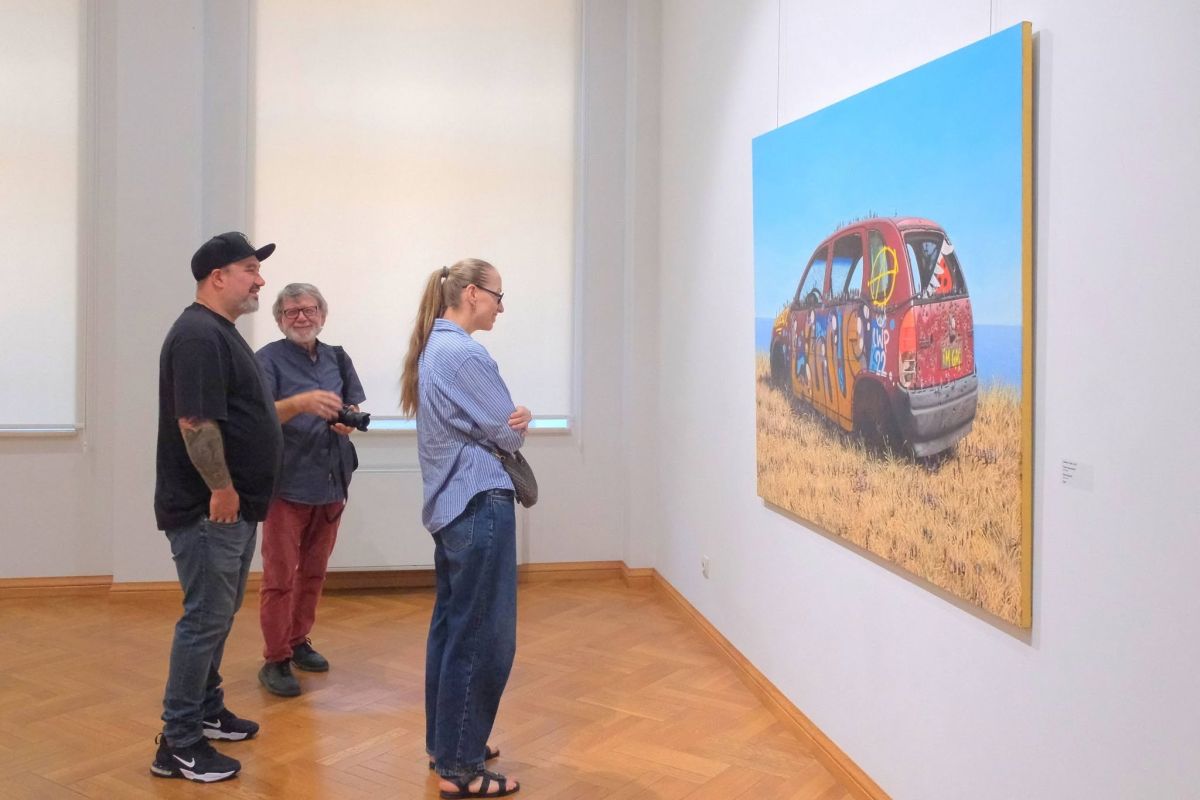
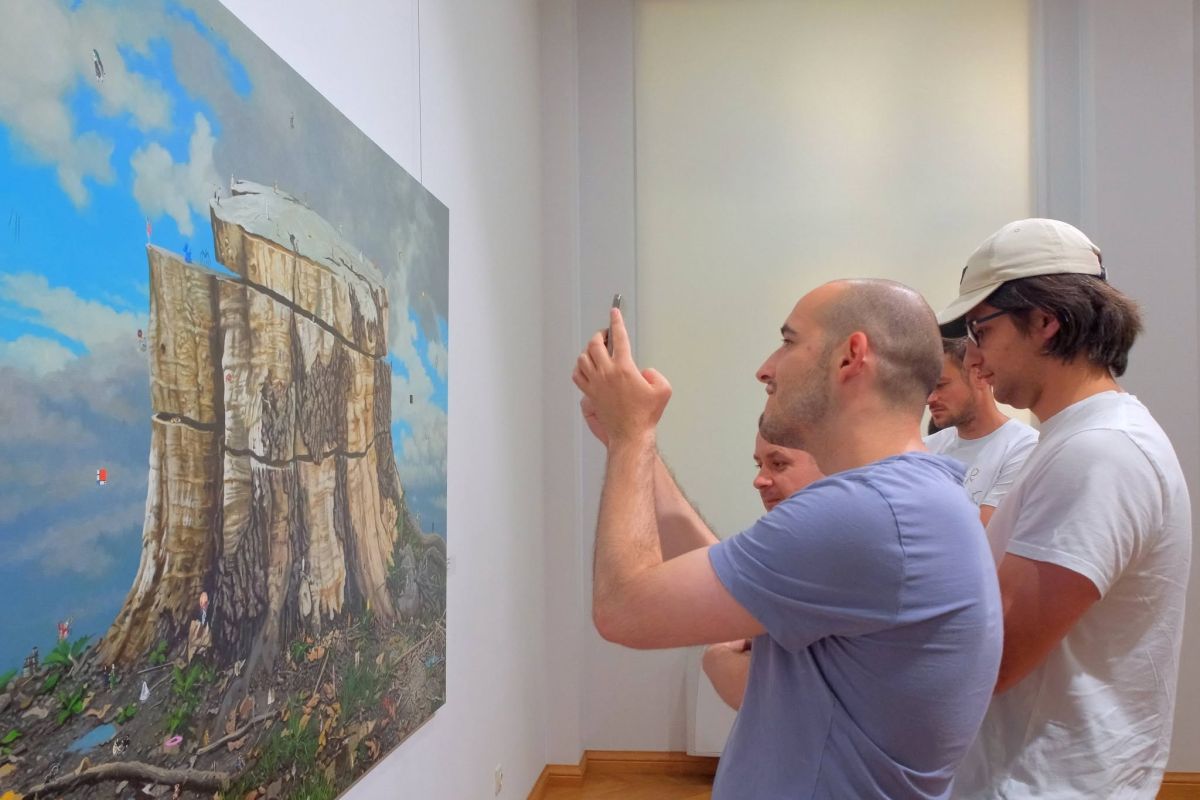
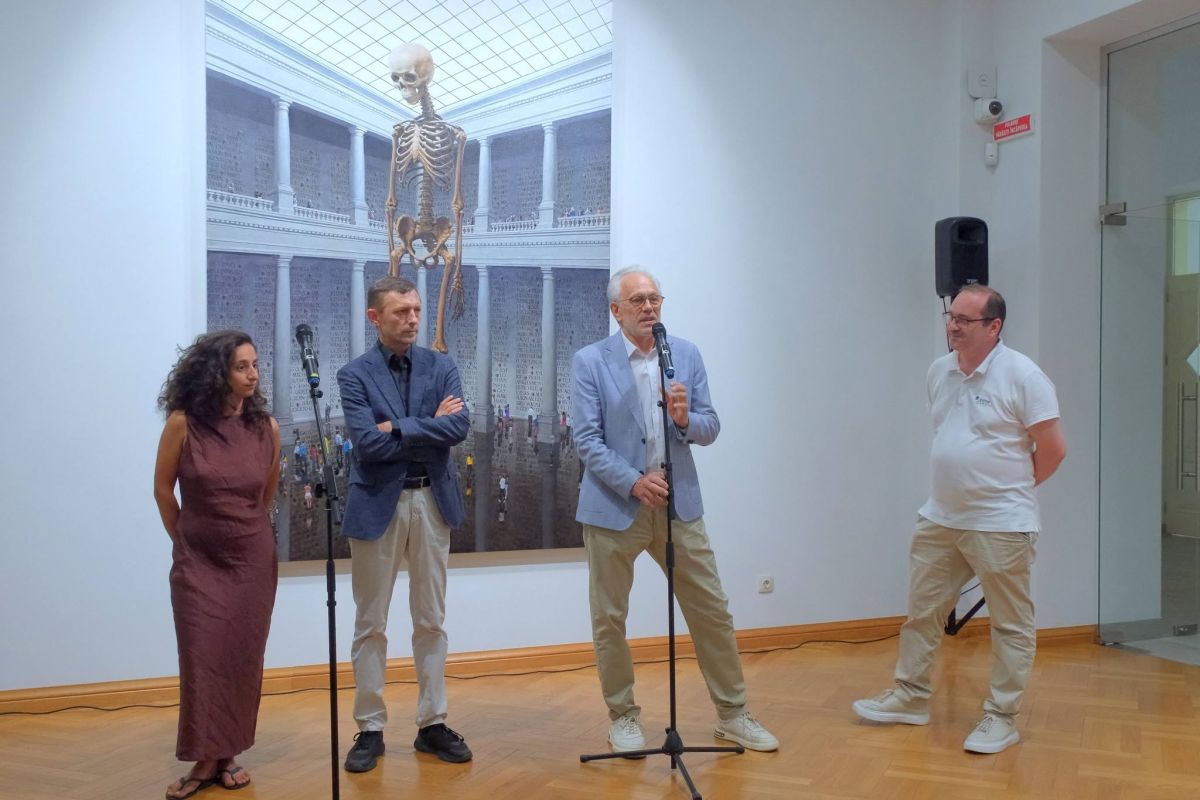
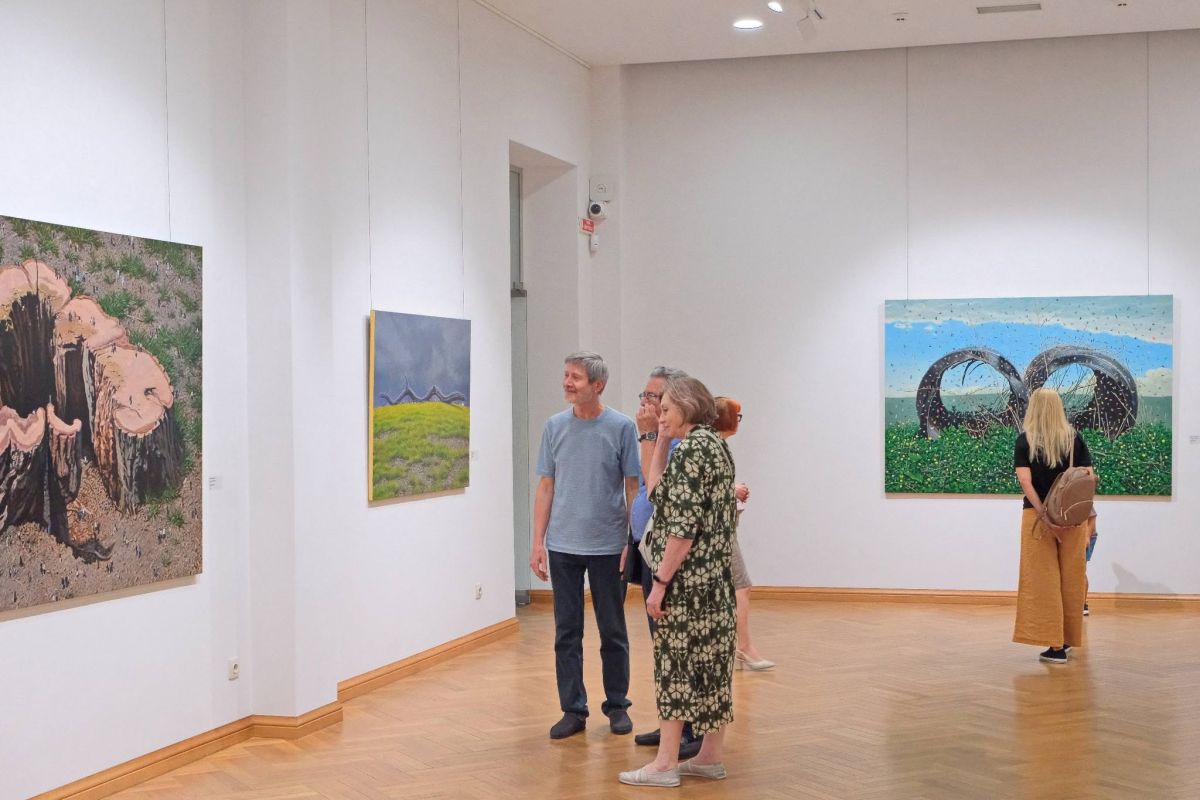
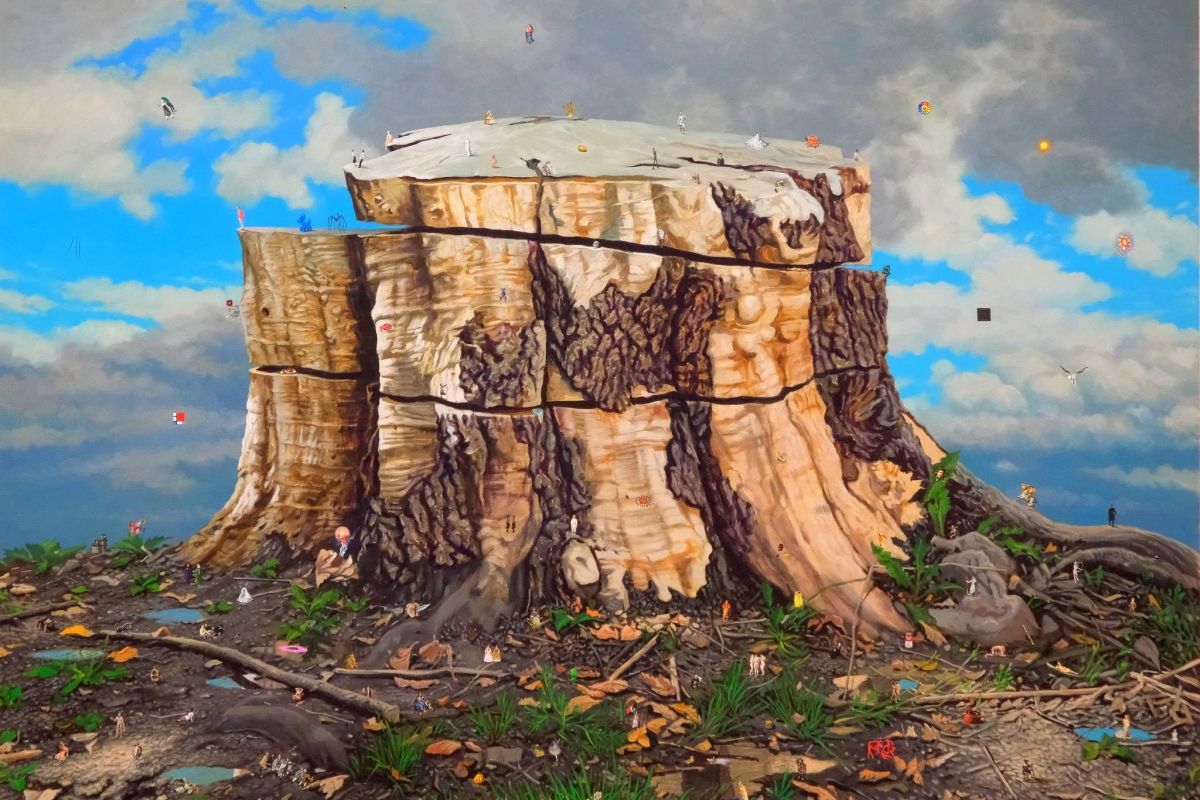
In Roman Tolici’s pictorial universe, hope becomes a form of survival in the face of personal and collective terror, as the artist himself positions his intention: With this series, I tried to distance myself from the anguish of the present, to understand that things are dramatic now, but they will be mere events lost in historical space and unknown in all their depth and complexity. Tolici’s approach positions hope as a principle of identity and claims it as a transformative force, in a sense close to the thinking of Viktor Frankl, who stated: “everything can be taken from a man except one thing: the last of the human freedoms – to choose one’s attitude in any given set of circumstances”. The works function as visual cut-outs in which life and death become the two main notes of the narrative: on a macro scale, relics of the past and mortuary symbols of enormous proportions, empty shells or remnants of nature, reverberate as echoes of a reality already displaced; while, on a micro scale, the miniature figures are imprints of human rebirth.
Through the New Hope (Noua Speranță) series, Roman Tolici proposes a coherent synthesis between border experience, local sensitivity and global vision, transforming biography and collective history into a pictorial language of the present. Shaped between Chișinău and Bucharest, the artist explores tensions between East and West, “sees the West through the eyes of the East and the East through the eyes of the West” (Pascal Bruckner).
His practice investigates the way in which grand narratives penetrate everyday life and collective consciousness. Tolici becomes a mature voice redefining the visual identity of a world undergoing profound change, while the theme of hope provides a framework through which Romanian art transforms emotional vulnerability into a resource for expression, connecting local experience to the dynamics of the contemporary global context.
Amid social dislocations, his approach reaffirms the power of art to transcend the dialectic of fear in current public discourse, proposing instead a reflection on resilience and on the possibility of imagining other forms of coexistence.
Roman Tolici was born in 1974, in the village of Ghetlova, Republic of Moldova (formerly the USSR). In 1990, he arrived in Bucharest on a study scholarship at the “Nicolae Tonitza” Art High School, awarded by the Romanian state. He also completed his studies at the University of Art in Bucharest. From the late 1990s onwards, Tolici experimented in the fields of literature, illustration and animation, comics and photography, before establishing himself as a painter through solo and group exhibitions beginning in the 2000s.
He has exhibited in Romania, the Republic of Moldova, Germany, France, Spain, the Czech Republic, Russia and the United States of America. Associated with a photographic realism infused with lyricism and a surrealist sense of everyday existence, Roman Tolici is one of the representative artists of the 2000s generation. He has held numerous solo and group exhibitions at home and abroad, as well as interventions in public space and situationist actions involving the appropriation and disruption of specific contexts.